 Makeup Partner
 Warm vs Cool Undertone: How to Tell the Difference
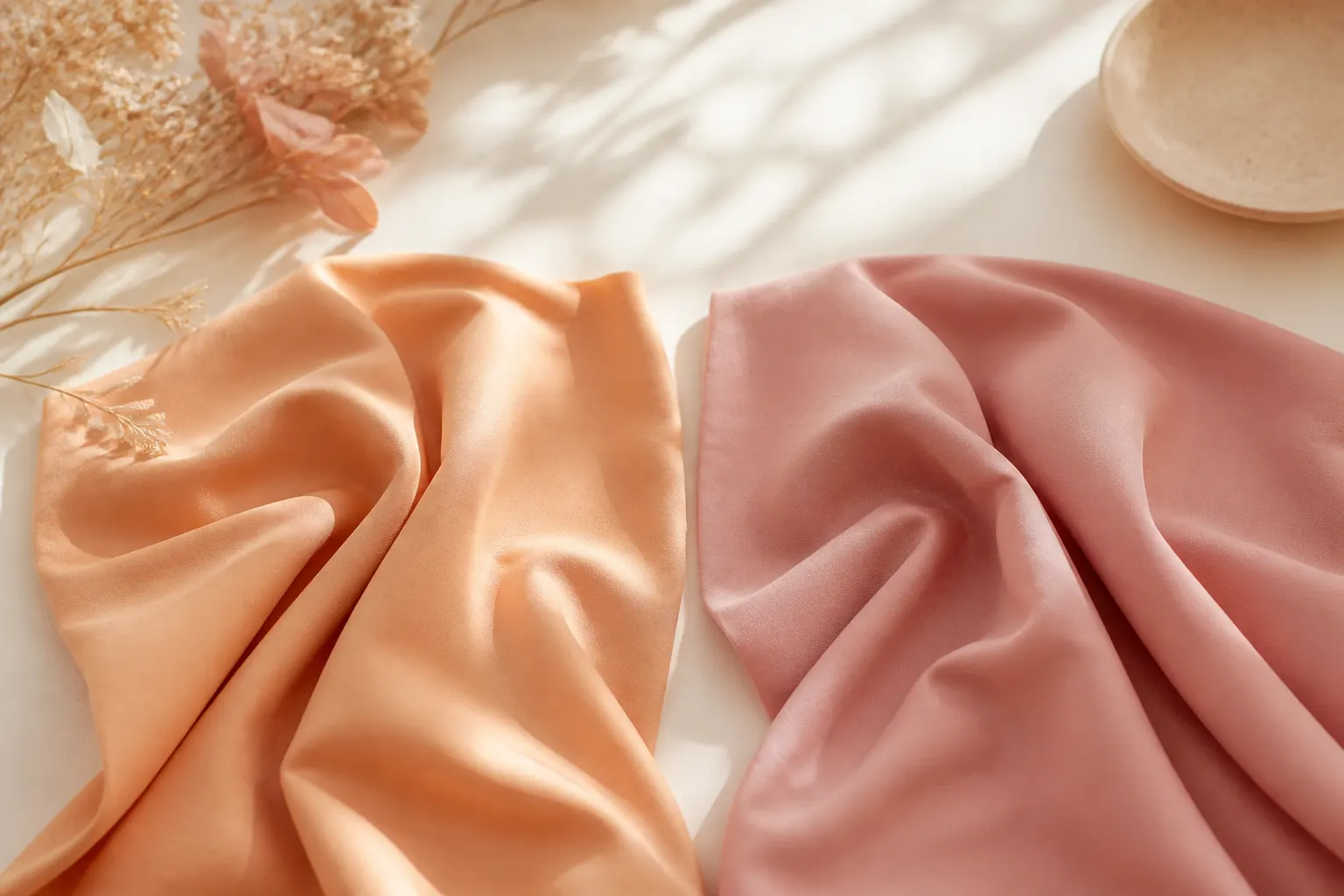
“Warm or cool?” is the first question in almost every color conversation — and the most misunderstood. Get your undertone right and foundation matches, gold or silver finally makes sense, and your whole color season clicks into place.
Skin tone vs undertone
These are not the same thing:
- Skin tone is the surface color — fair, medium, tan, or deep. It darkens in summer and lightens in winter.
- Undertone is the constant hue underneath: warm (golden, peachy, yellow), cool (pink, red, bluish), or neutral (a mix).
A fair person can be warm; a deep-skinned person can be cool. Undertone is what stays the same no matter how much sun you get — and it is what color analysis is really reading.
Warm undertone: the signs
- Skin has a golden, peachy, or yellow cast
- Gold jewelry lights up your face
- Ivory and cream flatter more than stark white
- Veins look greenish
- You tan more easily than you burn
- Coral, peach, warm red, and olive look natural on you
Warm undertones map to the Spring and Autumn seasons (イエベ in Japanese color theory).
Cool undertone: the signs
- Skin has a pink, rosy, or bluish cast
- Silver jewelry looks fresh against your skin
- Pure white flatters more than ivory
- Veins look blue or purple
- You burn before you tan
- Rose, berry, blue-red, and emerald look natural on you
Cool undertones map to the Summer and Winter seasons (ブルベ in Japanese color theory).
Neutral undertone
If gold and silver both look fine, ivory and white are both okay, and most foundations match without looking off — you are likely neutral. Neutral people have more freedom and should lean on depth and contrast to find their season rather than agonizing over warm vs cool.
A quick comparison
| Signal | Warm | Cool |
|---|---|---|
| Skin cast | Golden / peach | Pink / blue |
| Best metal | Gold | Silver |
| Best white | Ivory / cream | Pure white |
| Veins | Green | Blue / purple |
| Best red lip | Coral / orange-red | Berry / blue-red |
| Seasons | Spring, Autumn | Summer, Winter |
Why undertone is only the start
Undertone is one of three axes that define your color season. The other two are value (do light or deep colors suit you?) and chroma (do bright or soft colors suit you?). That is why undertone alone cannot name your season: a warm person could be a clear, bright Spring or a deep, muted Autumn depending on value and chroma.
The Makeup Partner app reads all three axes at once and returns your 16-type result — then matches it to the right foundation undertone, blush, and lip shade so you are not guessing at the counter.
Where to go next
Once you know your undertone, confirm it with the 7 at-home tests, learn the bigger picture in what is personal color analysis, and read your season guide: Spring, Summer, Autumn, Winter.
Download Makeup Partner and get your AI personal color diagnosis.


Frequently asked questions
What is the difference between skin tone and undertone?
Skin tone is the surface color you see — fair, medium, tan, deep — and it can change with sun. Undertone is the constant hue underneath: warm (golden/peach), cool (pink/blue), or neutral. Two people with the same surface tone can have opposite undertones.
Can you have a neutral undertone?
Yes. Neutral undertones carry a balance of warm and cool, so both gold and silver look good and most foundations match easily. Neutral people often choose their season by depth and contrast rather than undertone.
Does undertone alone decide my color season?
No. Undertone (warm/cool) is one of three axes. Value (light/deep) and chroma (vivid/muted) also matter. That is why two warm people can be a bright Spring and a muted Autumn.